
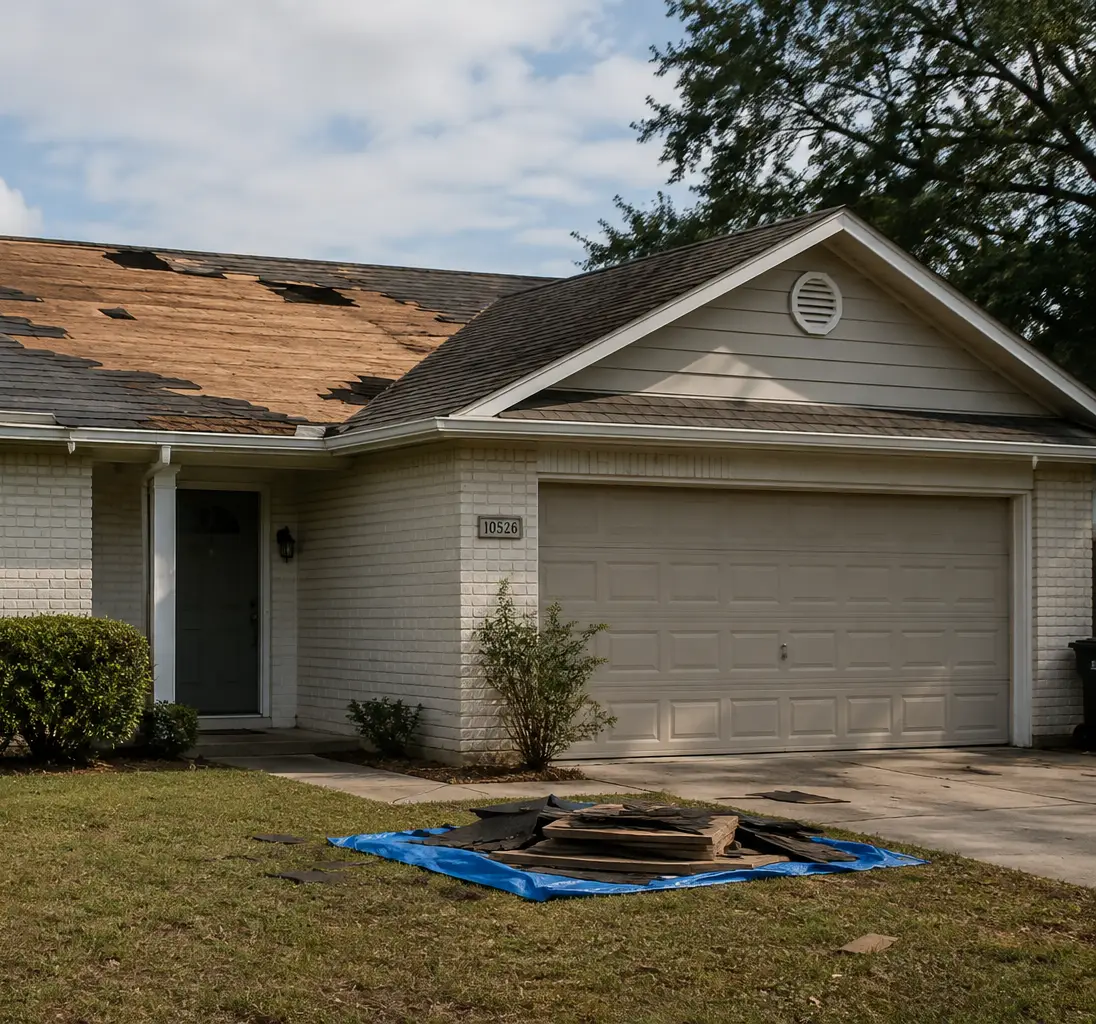
Should you repair your Jacksonville house or sell as-is?
A roof leak, unreliable air conditioner or long repair list can make selling feel like another renovation project. You have more than one route: complete selected repairs, list in the current condition, or compare a direct cash offer.
The useful question is what each route would leave you with after the work, costs and time involved. You do not need to commit to repairs before exploring an as-is offer from Sell My House Fast in Jacksonville.
What selling as-is means in Florida
An as-is sale generally means the price and agreement account for the home’s current condition rather than promising a completed renovation. It does not automatically eliminate the buyer’s inspection rights, your disclosure duties or a title problem. Those details still need to be addressed in the contract and closing process.
The Florida Bar explains that as-is language does not remove the duty to disclose known material defects that are not readily observable and are unknown to the buyer. Be straightforward about leaks, prior damage and other known issues. Have a Florida real-estate attorney review questions about your particular transaction.
Compare your three selling options
Repair before listing
This can make sense when the work is manageable and the likely improvement in proceeds justifies it. Get a written scope and consider permits, scheduling, unexpected work and the time you will continue paying ownership costs.
Ask: Which repairs are necessary, which are cosmetic, and what evidence supports the expected selling price afterward?
List in current condition
You can market the house without fully renovating it. Buyers may still inspect, request credits or use financing with condition requirements. Compare the actual offers and terms rather than assuming every buyer requires the same work.
Ask: Can the buyer close in this condition, and what can change during the inspection period?
Direct cash purchase
A direct buyer can evaluate the repairs as part of the purchase. This can reduce the work you organize before selling, although the condition will affect the offer. Review the written terms, deductions and closing responsibilities.
Ask: Who is buying, what conditions remain, and what amount is expected to reach me at closing?
Roof, HVAC and plumbing problems: gather facts first
Separate the age of a system from its condition. An older roof with records and an inspection is a different situation from an active leak with damage underneath. A cooling problem may need a repair or a replacement; a qualified contractor can explain the scope.
Insurance also matters when a prospective buyer needs coverage. Florida’s Department of Financial Services explains that an insurer may request a four-point inspection covering the roof, plumbing, electrical and heating/air systems. A report identifies issues to review; it is not a universal pass-or-fail rule for every buyer or insurer.
Do not assume a roof becomes uninsurable at a particular birthday. Florida has specific protections concerning roof age and inspections, including inspection opportunities for roofs at least 15 years old. Condition and the applicable policy still matter. Ask the insurer what it needs before paying for replacement solely on an assumption.
How this works for a typical Jacksonville house needing repairs
Suppose a homeowner wants to move, the roof has a documented leak, the AC is unreliable and the kitchen is dated. Here is a straightforward way to make the decision:
- Document what is known. Collect the roof report, AC estimate and any repair invoices. Tell each buyer the same facts. Keep optional kitchen upgrades separate from the work needed to address the leak.
- Compare a repair plan with current-condition offers. Ask what each offer requires before closing, including access, inspections, repairs, cleanout and the move-out date.
- Include time in the math. If the repair route would add two months and actual ownership costs are $1,200 per month, add $2,400 to the comparison before contractor bills and selling costs. Use your own mortgage, utilities, insurance and tax figures.
- Choose from written terms. A higher proposed price may still produce less money after work and delays. A lower as-is offer may or may not be worthwhile; compare the expected net proceeds and responsibilities.
This gives the homeowner a decision based on the specific house, rather than a blanket rule that repairing always pays or that selling as-is is always better.
A simple checklist before the walkthrough
- Property basics: address, type of home, current occupancy and who can authorize access.
- Known condition: leaks, storm damage, roof or equipment ages when known, and areas that are unsafe to enter.
- Available records: inspection reports, contractor estimates, warranties and completed-work invoices. Having these helps, but you can request an offer without buying new reports first.
- Permits or notices: collect any open permit or code correspondence. Jacksonville’s Building Inspection Division services page links to official property, permit and violation searches.
- Ownership and timing: mortgage information for the closing team, other owners who must sign, belongings you plan to keep, and your preferred move-out date.
If a storm-related insurance claim is open, ask your insurer and closing attorney how a sale would affect the claim and any proceeds. Do not assume the claim automatically transfers to a buyer or that selling resolves outstanding obligations.
What to compare in the written offer
Start with the price, then list mortgage payoffs, seller-paid closing costs, agreed credits, taxes or other amounts the closing team expects to deduct. Add any repairs and carrying costs you would pay before closing. Request an estimated closing statement when the details are available.
Also check the inspection deadline, cancellation terms, earnest-money provisions, assignment terms, closing date and possession arrangements. The Florida Bar’s home-purchase guide gives a useful overview of contract questions, including repairs, permits, insurance and closing responsibilities.
Request an as-is offer in Jacksonville
We buy houses in Jacksonville and nearby Duval County areas in their current condition. Tell us what the house needs and when you would like to move. We can review the property and explain a potential cash purchase so you have an option to compare.
Call (904) 643-6089 or send your property details. For more about the process, visit our frequently asked questions.
Frequently Asked Questions
No. You can start with the property address and what you know about its condition. Existing reports or estimates can help explain the work. Obtain independent estimates if you want to compare repairing with an as-is sale.
No. A buyer may still inspect the property or include inspection terms in the agreement. Read the contract to understand the inspection period, cancellation rights and what could change before closing.
You can request an offer for the property in its current condition. The condition, repair scope and contract determine whether a particular purchase can proceed. Do not assume every older system needs replacement or that every buyer has the same requirements.
Compare the expected net proceeds, the money needed upfront and the time involved. A manageable repair may improve your options; a larger project may not fit your budget or schedule. Use written estimates and offers for your own house.
Tell us before arranging access, and follow any official safety or occupancy orders. Do not enter an unsafe area to take photos. An evaluation and any eventual sale must account for the condition and applicable requirements.
